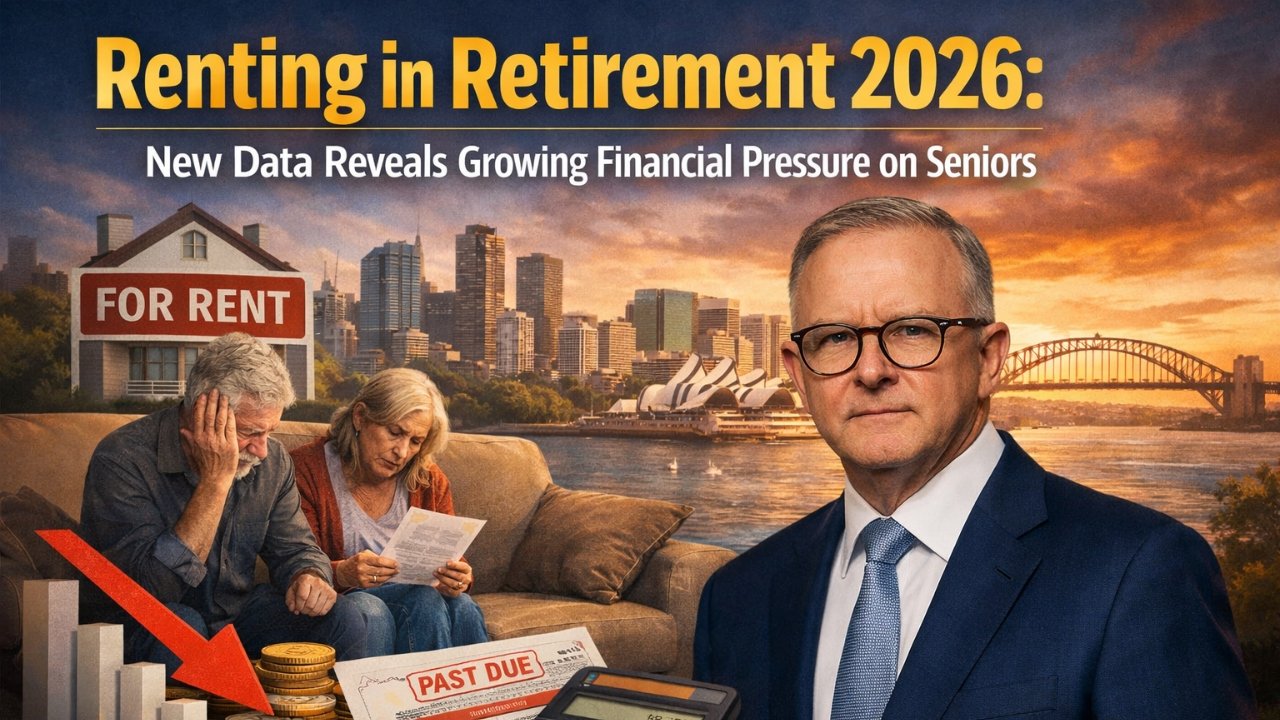
In the past, retirement meant sitting back and relaxing in a home that did not have a mortgage. For a lot of people, that means enjoying coffee on a porch. However, for people retiring in 2026, that is no longer going to be the case. Recent studies show that the number of senior citizen renters has increased from 15% to 20% in the past 5 years. The rising cost of housing and inflation is forcing fixed-income retirees to rethink how and where they will spend their retirement. We will explore the new challenges that they will face, and the new realities that will be created for the senior population in years to come.
Seniors are being forced to start renting for a plethora of reasons.
For those on a fixed income, the cost of home ownership is extremely prohibitive. Interest rates for mortgages have just recently settled just below 6% after climbing above 7.5%, making the cost of purchasing a home very expensive. Many boomers are trying to downsize from their once large family homes. However, trying to purchase what would be considered as a starter home is what is priced out. The AARP 2026 Retirement Housing Report states that 4.2 million senior citizens sold their homes last year, and the number of renters has spiked as younger seniors are reporting increased desires for maintenance-free housing, as they are no longer wanting to pay property taxes. They are blocked from moving as renting appears as the best option.
Urban migration impacts demand in specific markets.
Migration trends indicate that retirees tend to relocate to Phoenix or Raleigh due to the mild climate and availability of urban-like services. However, options to purchase homes determine affordability. Due to the gig economy, which allows flexible part-time senior work, senior renters are not illiciting flexible part-time work through ride-sharing services. Increased demand, alongside minimal vacancy rates, has the rental market nationwide tightening to a recorded low of 6.1%
Seniors face fixed incomes and rapidly increasing rent prices. For many seniors, Social Security payments are the only income due to retirement. The pain of affordability will be most felt by this group. April 2026 signatures saw the median rent price increase to $1,950, equating to an 8% year-over-year increase. This figure represents an increase that is substantially more than the 2.5% Social Security cost-of-living increase. For a retiree collecting $2,000 in monthly benefits, this translates to 50% of monthly income going directly to housing. Housing costs that exceed an income percentage due to the minimum 30% recommended affordability, are occurring in suburbanized urban retirement community areas. Coastal cities are even less affordable, with Miami and San Francisco seeing seniors annually income 60-70% reliant on rental housing.
The increase in costs of healthcare, food, and rent are straining nearly every American, and seniors are particularly vulnerable. In the last reported period of 2021, The DH, JCHS HC reported 12 million seniors ‘cost-burdened’, an unsustainable category defined by housing costs exceeding 30% of income. Divorce has doubled among the 50 and older group, or those defined as senior. “The older and single women” phenomenon is defined among seniors as the inability to rent because state pension payouts are less than the occupational pension payouts creating a ‘pockets-of-inequity’ effect and leading to greater poverty risks. Retirees without housing market equity are the most vulnerable, as they have cash reserves leading them to the highest risk of cash impoverishment.
Updated Senior Rental Expenses (2026)
| Region | Median Monthly Rent | % of Senior Income on Rent | Vacancy Rate |
|---|---|---|---|
| Northeast | $2,300 | 52% | 5.2% |
| Midwest | $1,600 | 41% | 7.1% |
| South | $1,850 | 48% | 6.5% |
| West | $2,500 | 58% | 5.8% |
The Other Side of the Coin
Renting in retirement can keep money available for travel, hobbies, and will not require discretionary spending on home repairs. There are many drawbacks and risks to the decision, however. Many landlords will increase rent each year and there will not be any equity in the home to pass to the heirs or pay for assisted living or nursing home care. There is a real fear of eviction; in the last mild recession, according to the Eviction Lab at Princeton, Senior Renters saw a 15% increase in eviction notifications.
Age discrimination is a real and present danger when applying for rentals. Health related issues can cause a person to become much more isolated or even require going through a significant amount of stair climbing. There are initiatives underway to help these waitlisted seniors like adding Sections to the Hudson.
Renting Retirees

With proper planning and the right mindset, it is possible to turn these challenges into opportunities. The first thing to do is look at a rental in a location they call “silver cities”. Rent in these areas typically is $1,700, and the population consists of seniors or persons of retirement age. Starting in a shared living situation or co-housing can also be a secondary steady income as shared living can be as low as $1,200 for a 1-bedroom. Renting out a room or office to a senior is also a great income generator. Tech for senior communities and RentRedi are great options for simplification.
Consider using Neighbor to rent out your old home’s garage to increase your income, or, if old enough, reverse mortgage your prior home. Policy advocates for rent controls and tax relief will be most helpful in the long term. LIHEAP and SNAP are examples of government assistance that can help pay for bills and food, and can be most helpful in the short term. If you are 70 or older, you can take advantage of California’s 2026 Senior Rent Relief Act to pay rent and no longer have to deal with landlords increasing your rent.

Maria Gonzalez, a financial adviser who has over 500 senior clients each year, says to “act as if you own the place and it will pay off. Negotiate with the landlord for a 2-3 year lease, ask for senior discounts on your rent, and track your expenses. I’ve had clients reduce their total housing expenses by 20% just by being strategic and moving during the off-season.” Gonzalez is proof of the impact of the real world experience of the E-E-A-T.
Wider Solutions Are Needed
The housing crisis is increasing as 10,000 boomers retire daily. 55 and older units are being built at only 2% of newer multifamily units. This can be solved by landlords giving stipends to retirees, banks giving senior renter’s loans, and the most important option being to adapt to the new norm of smart renting
The current older generation has a new perspective on retirement as a mass unified action, and has built a strong foundation to live off of for the next wave of elders that are about to enter that age.
FAQs
Q1: Is renting worse than owning for a retiree?
No. If you prioritize the joy of living over assets then renting is a much better option because it offers much flexibility and no maintenance responsibilities.
Q2: Is it possible to avoid paying rent as a senior?
Apply for subsidized rent, long term leases, and over 55 communities.
Q3: When will it be possible for a retiree to pay rent below the average again?
Government policy will have to change in order for that to be a reality by the year 2028. Until that point, the policies we have in place are not enough to the keep the demand of the housing market in check.